What an Event Production Company Actually Does (And When You Need One)
Planning an event means managing more than a venue, a schedule, and a guest list. The sound must be clear, the screens must show the right content, lighting must suit the room, and the technical team must be ready when the program changes. An event production company plans and coordinates the technical work that helps those elements operate together, from early planning through the live show and teardown.
For festivals, corporate events, college homecomings, weddings, and private celebrations, the right production partner can reduce last-minute coordination and give you one accountable team for the technical details. Here’s what that work includes, when you may need it, and what to ask before you book.
What does an event production company do?
An event production company turns your event’s goals into a practical production plan. Depending on the agreed scope, that can include technical design, equipment, crew, venue coordination, setup, testing, live operation, and teardown.
The work often covers:
- Audio: PA systems, microphones, monitors, mixing, and sound coverage for speakers, performers, and audiences.
- Video: LED walls, projection, presentation playback, cameras, live switching, recording, and livestreaming.
- Lighting: Stage lighting, speaker lighting, room ambience, architectural accents, and programmed looks.
- Staging and infrastructure: Stage decks, truss, rigging coordination, backline, cable paths, and power distribution.
- Production management: Schedules, crew coordination, rehearsals, show cues, venue communication, and on-site troubleshooting.
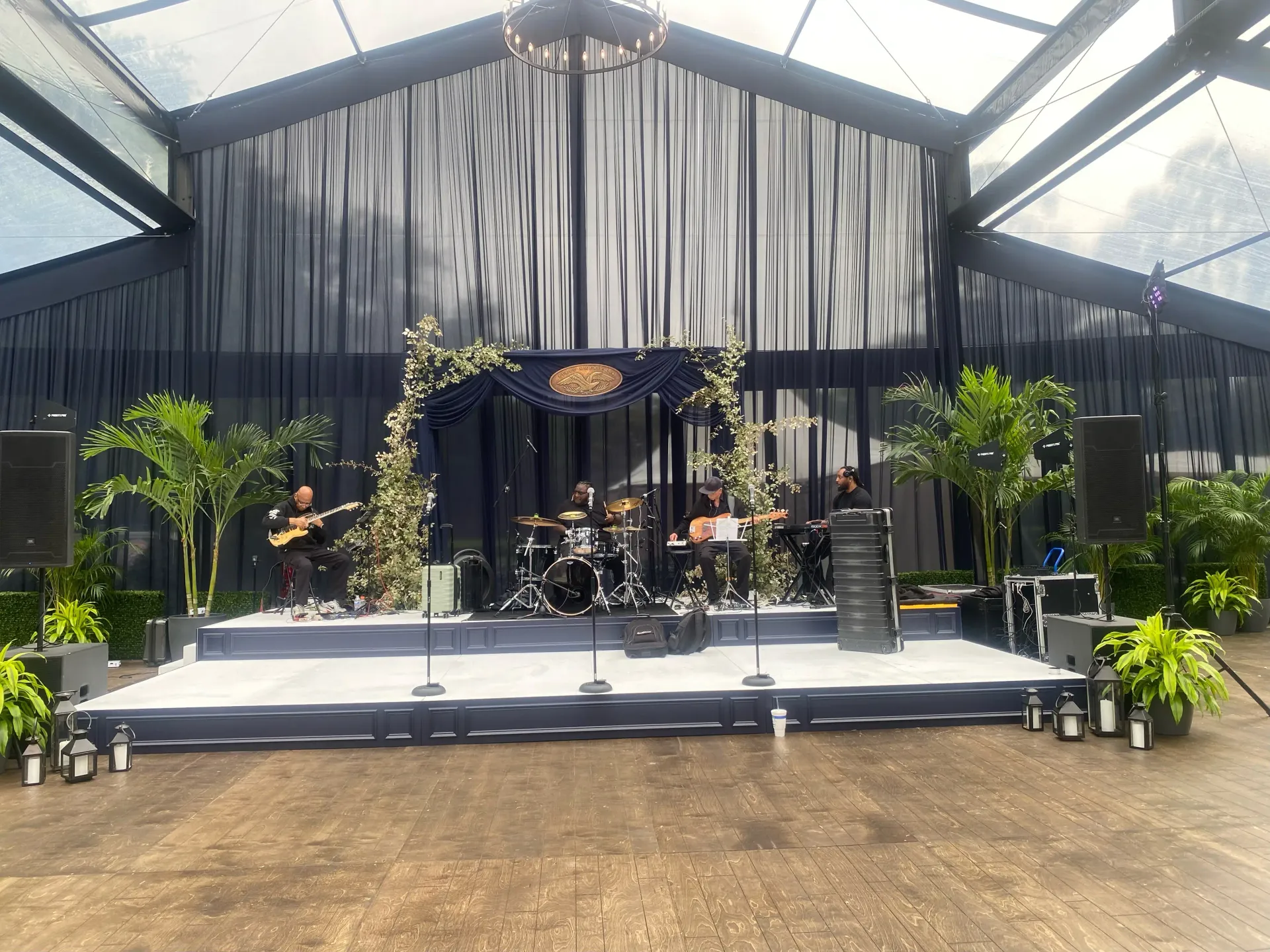
The details vary by event. A corporate keynote needs reliable speech and presentations; a festival needs coordinated stages and changeovers; a wedding needs clear vows and toasts, attractive lighting, and smooth transitions between the ceremony and reception.
The work starts before equipment arrives
Good production begins with questions, not a gear list. The production team needs to understand the program, audience, venue, budget, schedule, and the experience you want guests to have. Then it can translate those requirements into a technical plan.
Pre-production may include:
- Reviewing the venue, site plans, access routes, and available power.
- Planning stage layout, screen placement, sightlines, and sound coverage.
- Confirming equipment, crew roles, load-in, rehearsal, and strike schedules.
- Collecting presentation files, videos, logos, music, and show cues.
- Coordinating venue requirements, rigging approvals, and any outdoor contingencies.
This planning helps surface potential conflicts early. For example, a screen may be too small for the room, a load-in window may not allow enough time, or a presentation format may not work with the planned playback system. Resolving those issues before event day is more manageable than improvising in front of guests.
A detailed scope also matters. “Full service” can mean different things to different providers, so confirm who supplies each element, who operates it, and who handles venue coordination. For more on typical full-service responsibilities, see this event production overview.
What happens on event day?
On site, the crew sets up and tests the systems, checks microphones and playback, focuses lighting, and confirms that video feeds and communications work as planned. If the schedule allows, they also support speaker checks, rehearsals, and cue-to-cue run-throughs.
During the event, operators manage their systems while the production lead coordinates timing and changes. That can mean advancing slides, adjusting a microphone, switching camera shots, changing lighting cues, or adapting the plan when a speaker runs late. Once the show is over, the team strikes and removes the equipment according to the agreed schedule.
How production needs change by event
Festivals and concerts
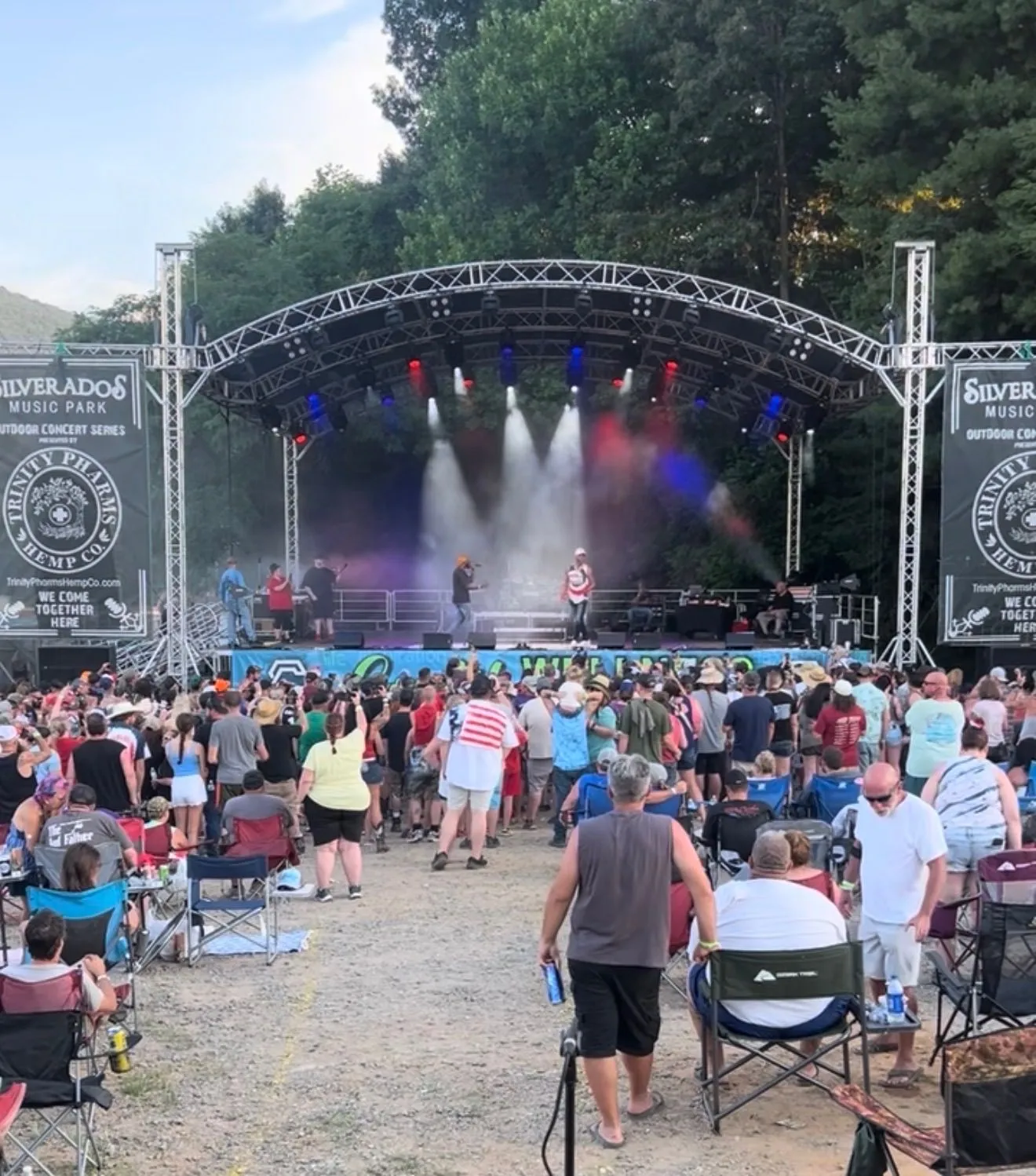
A festival often involves multiple stages, performers with different technical requirements, tight changeovers, and a large outdoor footprint. Production planning may need to account for audience coverage, monitor mixes, stage lighting, LED displays, backline, crew schedules, weather exposure, and power.
For multi-stage events, coordination is essential. Each stage needs a workable schedule and crew plan, with clear communication to keep transitions moving. AVLI Global provides live event and festival production support, including sound, video, lighting, staging, and crew.
Corporate events
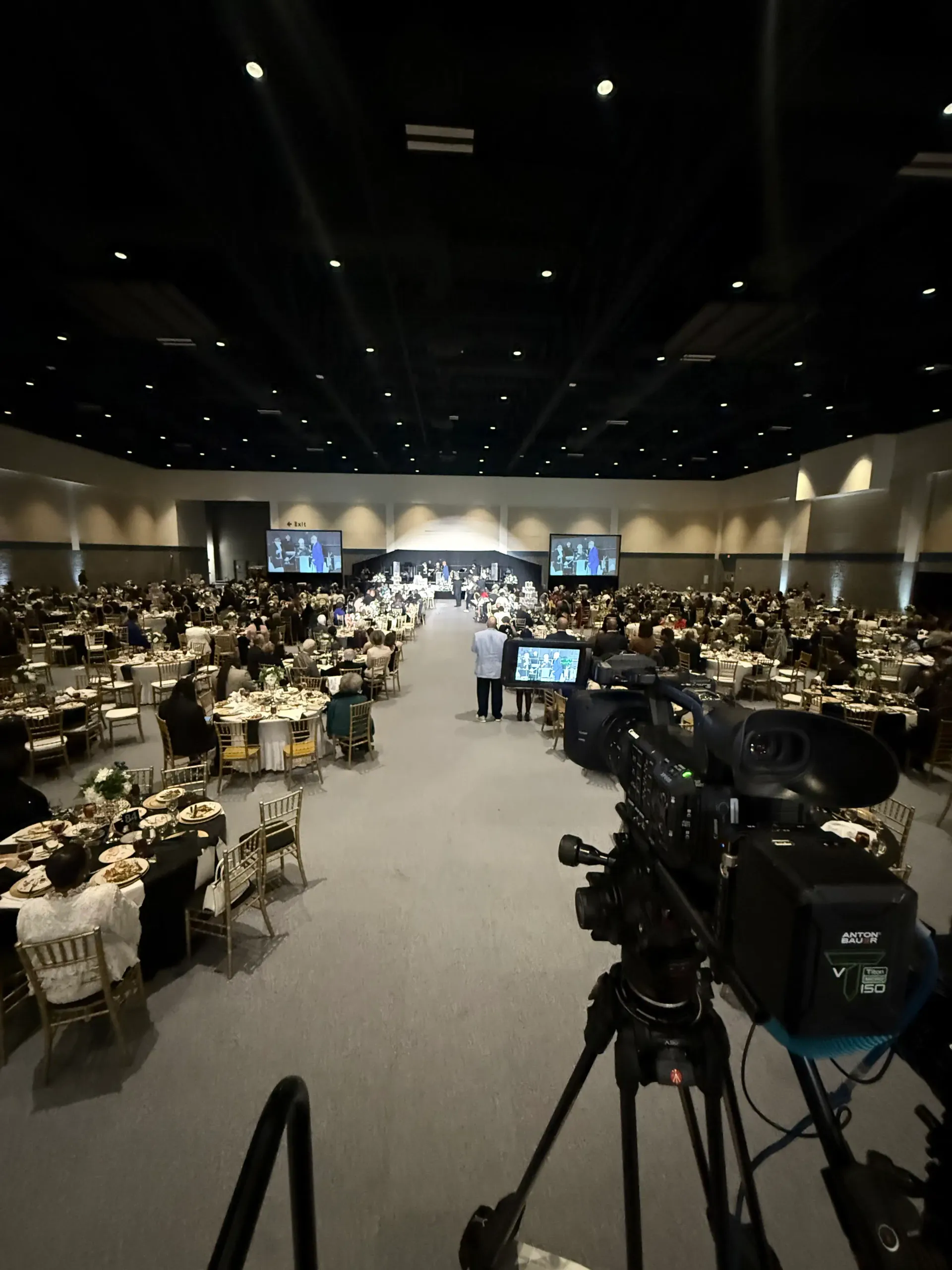
Corporate event production commonly supports conferences, launches, awards, meetings, and company celebrations. Priorities may include intelligible speech, branded visuals, presentation playback, confidence monitors, camera coverage, and hybrid or livestream delivery.
If you’re comparing an audio visual production company with a venue’s in-house AV team, compare the full scope, not just the equipment list. Ask who manages presentations, rehearsals, cueing, and troubleshooting. For a broader view of production planning for business events, see this corporate live event production guide.
College homecomings and private events
Homecomings and private events can combine performances, speeches, DJs, dance floors, and visual content in one program. A production partner can help plan the transitions and scale the equipment to the space and audience. A stage lighting rental request, for example, should include more than fixtures: clarify design, setup, control, operation, and what happens if the schedule changes.
Weddings
Wedding production often supports ceremony audio, vows and readings, reception sound, toasts, band or DJ connections, and lighting for the room and dance floor. The details may be less elaborate than a festival, but the moments are just as important. Clear microphones and dependable transitions help guests follow the day without distracting from it.
When do you need an event production company?
You may benefit from a production partner when several technical systems need to work together, the venue is unfamiliar, the event includes live performers, or the program has tightly timed cues. The case is stronger when you’re planning outdoor infrastructure, multiple stages, an LED wall, livestreaming, or a high-stakes presentation.
A specialist may not be necessary for every gathering. A simple meeting in a room with a suitable built-in system may only require a microphone and basic support. If you’re searching for an AV company near me, consider the scope and travel requirements as well as location. The best fit is a provider that can clearly explain who will plan, deliver, operate, and support the system, not simply drop off equipment.
What to ask before you book
Before choosing an event production company, ask for a clear description of what the proposal includes. Confirm:
- Which equipment and crew are included, and which are not.
- Who coordinates with the venue on access, power, rigging, and safety requirements.
- Who receives and checks presentations, video files, and other show content.
- What rehearsal and live-show support is provided.
- How overtime, schedule changes, and outdoor contingencies are handled.
- Who is your point of contact before and during the event.
If you’re comparing LED wall rental options, ask about screen dimensions, placement, content playback, signal flow, setup, and operation. The right answer depends on the room, audience, content, and viewing distance, not just the display itself.
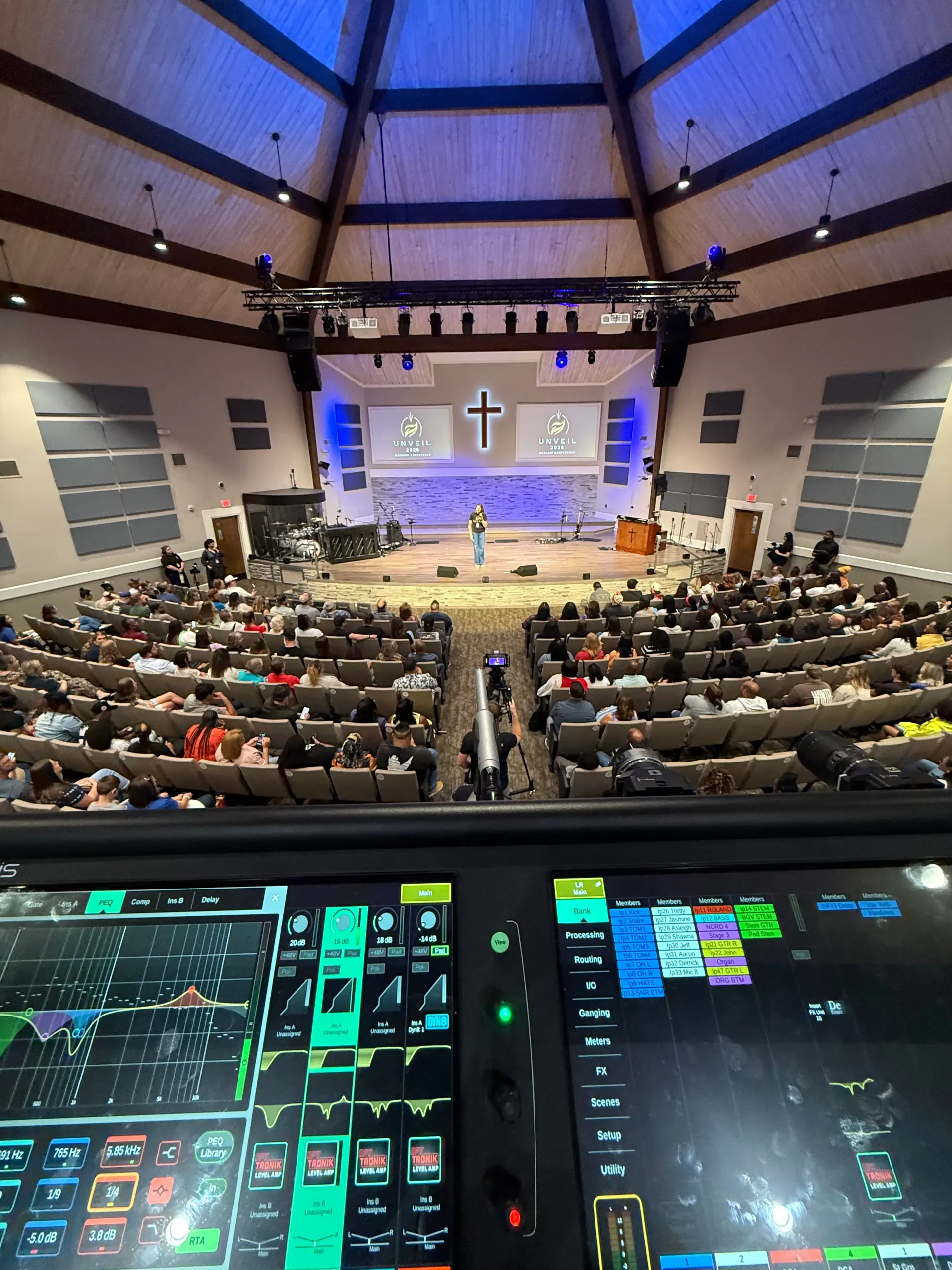
Choose a partner for the whole production plan
An event production company is most valuable when it connects planning, technical systems, crew, and live operation into one coordinated approach. That gives you fewer handoffs and a clearer understanding of who is responsible when something needs attention.
AVLI Global has supported technology integration, live event production, and festival AV since 2005. Our event production services support concerts, festivals, corporate events, homecomings, weddings, and private functions. Explore AVLI’s solutions or project examples to learn more.
Have an event on the calendar? Contact AVLI Global to discuss the venue, schedule, audience, and production requirements. Start with the brief, and we’ll help you identify the technical scope.